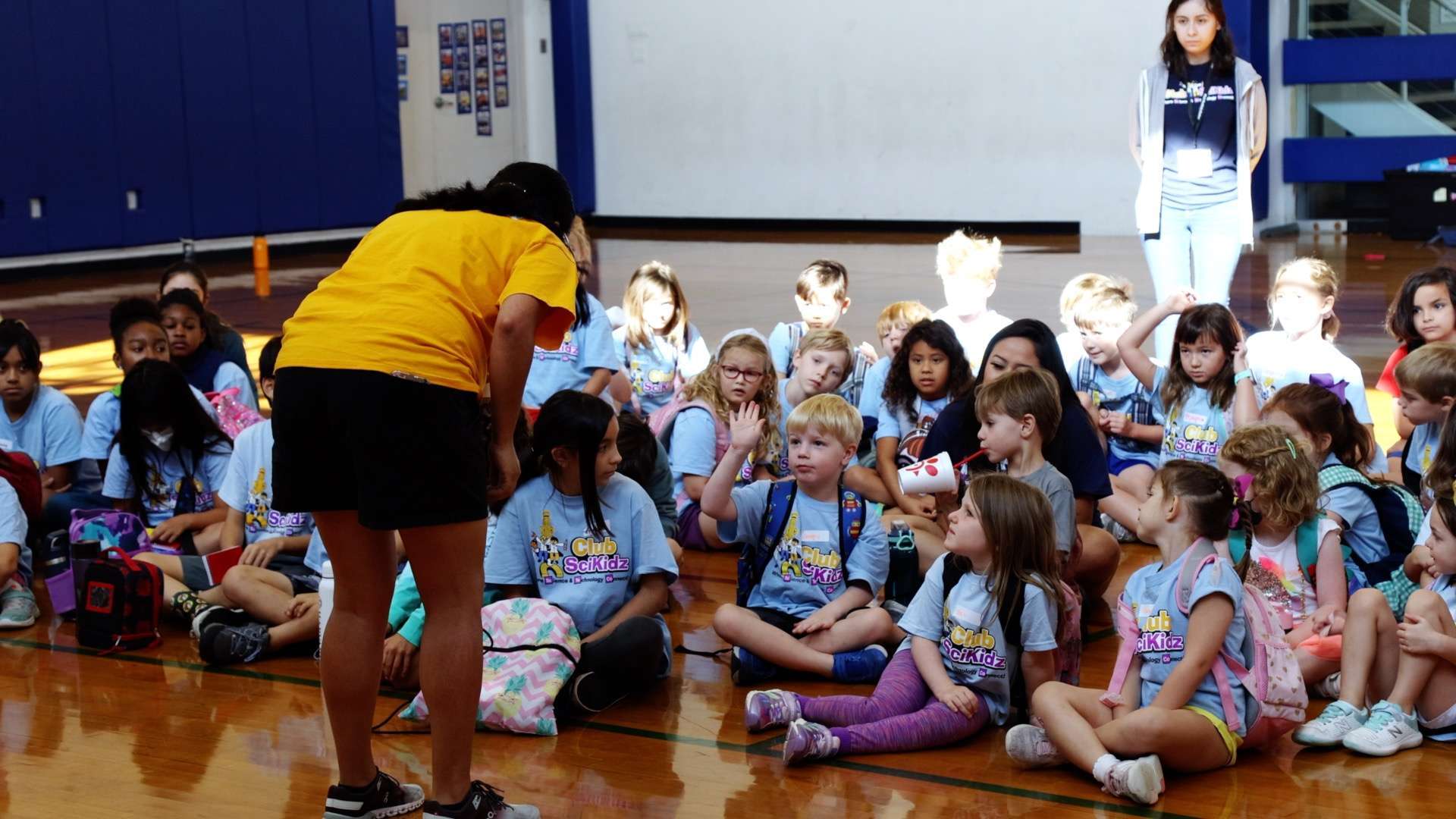
In the dynamic landscape of education, Science, Technology, Engineering, and Mathematics (STEM) have emerged as pillars shaping young minds for the future. STEM education not only equips children with essential skills but also fosters curiosity, critical thinking, and problem-solving abilities from an early age. In this blog, we explore the significance of STEM education for children in PreK to 7th grade, emphasizing the impact it can have on their cognitive development and future success.
- Building a Strong Foundation:
At the heart of STEM education for younger children lies the opportunity to build a solid foundation in these crucial subjects. Starting early allows children to develop a natural affinity for inquiry and discovery, laying the groundwork for more advanced concepts in later years.
- Fostering Curiosity and Creativity:
STEM activities are inherently hands-on and encourage experimentation. From constructing simple machines to exploring the wonders of nature, these experiences ignite curiosity and inspire creative thinking. Children learn that it’s okay to ask questions, make mistakes, and discover solutions through trial and error.
- Integrating Technology in Learning:
In today’s tech-driven world, exposing children to technology at an early age is paramount. Incorporating age-appropriate educational apps, coding games, and interactive tools not only makes learning enjoyable but also instills digital literacy skills that are crucial in the 21st century.
- Real-world Application:
STEM education emphasizes the real-world application of knowledge. Whether it’s designing a simple circuit or understanding the basic principles of aerodynamics, children connect classroom learning to practical, everyday situations, making education more relevant and engaging.
- Collaborative Learning:
STEM projects often involve collaboration, mirroring the teamwork prevalent in professional settings. Through group activities, children learn to communicate effectively, share ideas, and appreciate diverse perspectives, fostering essential interpersonal skills.
- Problem-solving Skills:
The core of STEM education is problem-solving. Children are encouraged to identify problems, analyze situations, and devise solutions. These skills not only benefit academic pursuits but also serve as valuable life skills, preparing them for challenges beyond the classroom.
- Promoting Diversity and Inclusion:
STEM fields have historically been underrepresented by certain demographics. Early exposure to STEM in a diverse and inclusive environment helps break down barriers, encouraging children of all backgrounds to pursue their interests without limitations.
- Transitioning into Middle School:
As children progress through the grades, their STEM knowledge becomes a bridge to more complex concepts. By the time they reach middle school, they possess a solid foundation and the confidence to tackle advanced topics, setting the stage for future academic success.
Conclusion:
In the journey of education, the impact of STEM is transformative for children in PreK to 7th grade. Beyond academic excellence, STEM education nurtures a lifelong love for learning, curiosity, and resilience. By providing young minds with the tools to explore, question, and create, we empower them to shape a future where innovation knows no bounds. As educators, parents, and advocates, let us continue to champion STEM education for the holistic development of our children.