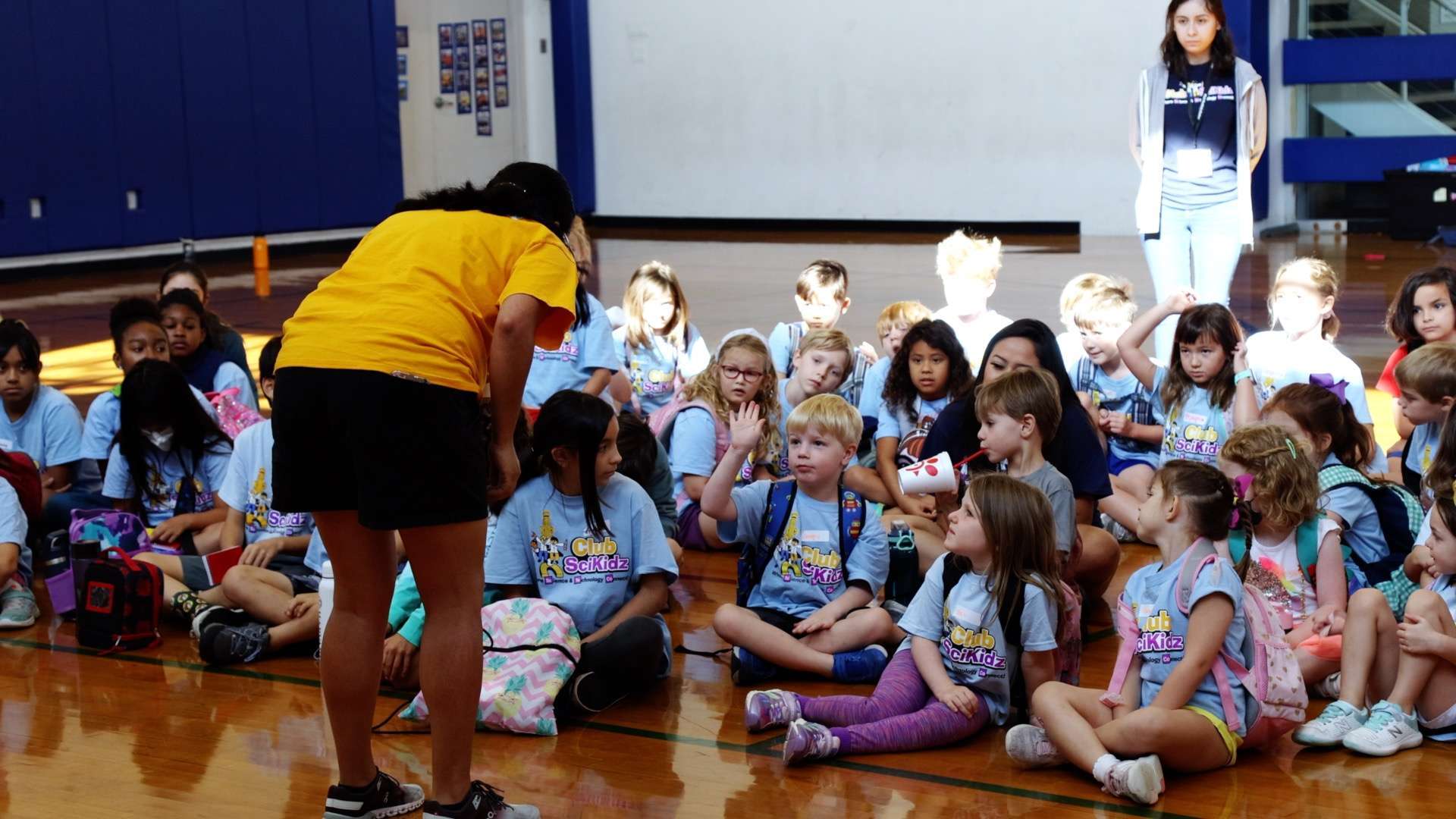
When parents choose a summer camp, they usually ask two smart questions:
- Will my child have fun?
- Will this actually help my child in the long run?
At Club SciKidz, we believe the answer to both should be yes.
STEM camp is not only about science facts, robots, or cool experiments. It is also a powerful way to build everyday life skills that help kids thrive in school, friendships, and future careers.
What are noncognitive skills, and why do they matter?
Researchers often use the term noncognitive skills for traits like:
- Persistence
- Self control
- Teamwork
- Curiosity
- Confidence
- Communication
- Problem solving mindset
A well known study on human capital policy found that both cognitive and noncognitive skills, especially those developed early, are strongly tied to later school and life outcomes. It also argues that early skill building can have bigger long term impact than trying to fix gaps much later.
Simple takeaway for parents: what kids practice now becomes how they learn and handle challenges later.
How summer STEM camp supports these skills
1) Persistence through trial and error
Experiments do not always work on the first try, and that is actually part of the learning. Kids learn to adjust, test again, and keep going.
2) Focus and self management
Hands on projects require attention, step by step thinking, and follow through. These habits support classroom success long after summer ends.
3) Teamwork and communication
Whether they are building a model, solving an engineering challenge, or sharing results, children practice listening, speaking, and working with others.
4) Confidence from real accomplishments
When a child says, “I made this,” that confidence is real. It carries into school participation, willingness to try hard tasks, and long term motivation.
5) Growth mindset
Kids begin to see mistakes as part of learning, not proof they are “bad” at something. This mindset supports resilience in school and in life.
Why summer is the perfect time
Summer gives children room to explore without the pressure of tests and grades. That lower pressure environment is ideal for building independence, confidence, and positive learning habits.
It is also a great season for kids to discover interests that can shape future goals in middle school, high school, and beyond.
The lifelong learning connection
Lifelong learners are not born that way. They are built over time through repeated experiences that teach kids:
- How to ask questions
- How to stick with hard problems
- How to work with others
- How to believe they can improve
These are exactly the habits STEM enrichment can strengthen.
What this means for parents choosing a camp
When comparing summer options, look beyond the weekly theme and ask:
- Does this camp encourage hands on problem solving?
- Do kids get chances to collaborate and explain their thinking?
- Are mistakes treated as part of learning?
- Will my child leave feeling more confident and more capable?
If the answer is yes, your child is likely gaining much more than summer entertainment.
Final thought
A great summer STEM experience is not only about preparing future scientists or engineers.
It is about helping children become confident thinkers, kind teammates, and persistent learners, skills that support success in school and in life.
That is the real long term value of STEM enrichment.