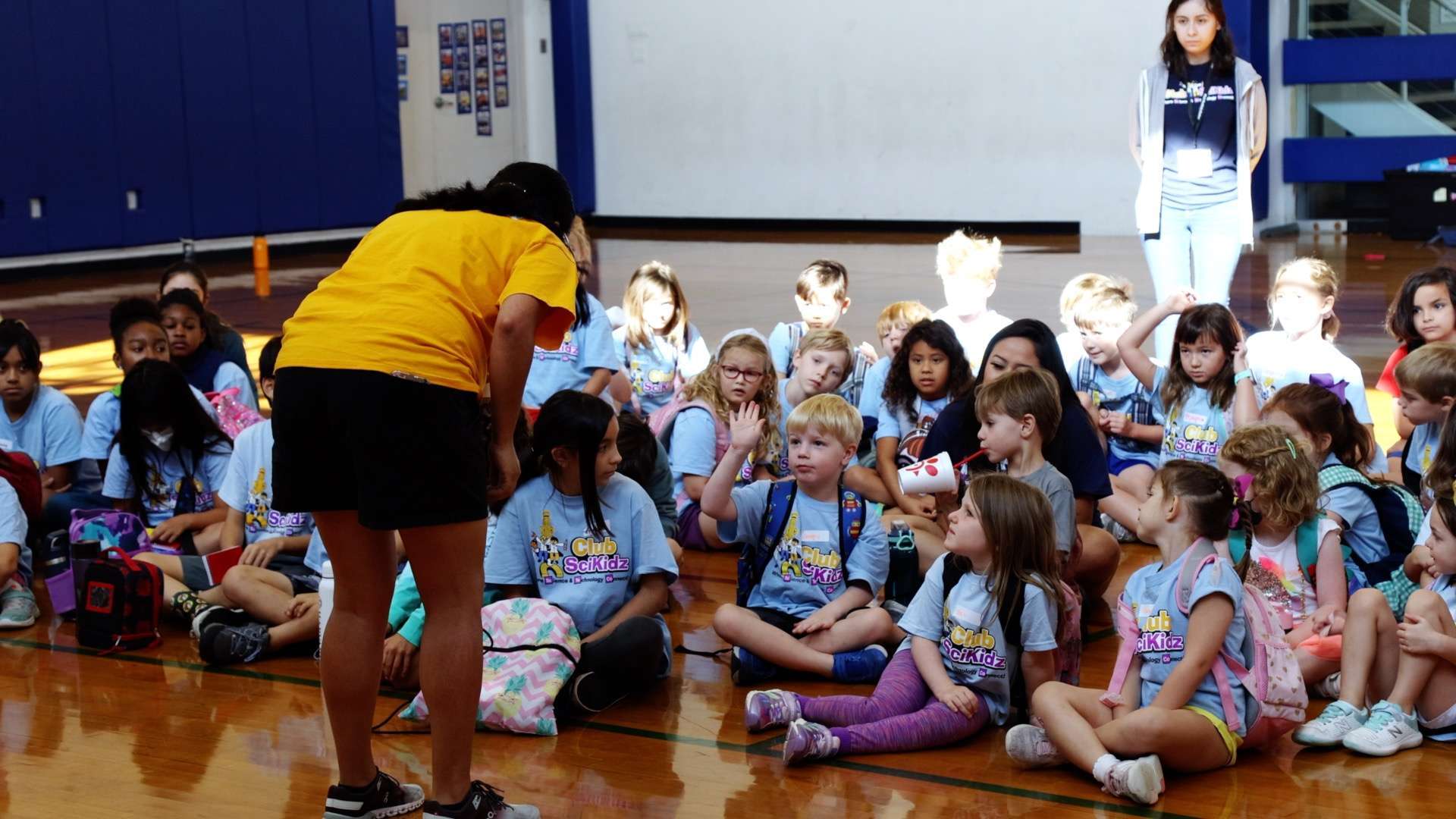
How early STEM sparks a lifetime of learning
When kids explore science, technology, engineering, and math in the early years, it does more than fill their time with cool experiments. Early STEM education builds habits of mind that follow them into middle school, high school, college, and even future careers.
The good news for parents is that this does not have to look like test prep or advanced homework. It can start with simple hands on activities, curious questions, and playful problem solving at home or in after school programs.
What early STEM education really means
Early STEM education is not about drilling facts. It is about giving young children regular chances to:
- Ask questions about how the world works
- Try ideas and see what happens
- Play with materials, tools, and simple data
- Explain their thinking out loud
When your elementary learner builds a bridge from paper, mixes safe kitchen ingredients, or observes bugs in the yard, they are already doing real STEM thinking. They are learning that it is safe to explore, safe to be wrong, and exciting to try again.
How early STEM supports later math and science
By the time students reach middle school, math and science can feel abstract and intimidating. Children who have had rich STEM play early in life usually bring a different mindset to those tougher classes.
Early STEM experiences help older learning in several ways:
- Comfort with numbers and patterns Kids who measure, compare, and count in experiments see math as a useful tool, not just worksheets.
- Stronger problem solving skills They are used to trying, testing, and adjusting rather than giving up when they do not know an answer right away.
- Better science sense Ideas like cause and effect, fair tests, and evidence feel familiar, so middle school labs make more sense.
- Confidence in class Children who have built, tested, and created things feel more ready to speak up, share ideas, and take on challenges.
Instead of seeing math and science as separate subjects, these students see them as connected tools for understanding the world. That shift alone can shape their entire learning journey.
Benefits that go beyond test scores
The impact of early STEM is much larger than grades. It also shapes character and life skills that matter in every subject.
- Curiosity STEM invites children to notice details, wonder why, and ask better questions.
- Resilience Experiments fail all the time. Learning to adjust and try again builds real grit.
- Creativity There is rarely only one right way to design a bridge or code a robot. Kids learn to generate and test their own ideas.
- Teamwork Many STEM challenges are easier in pairs or small groups. Children practice listening, dividing tasks, and solving problems together.
- Communication Explaining what they tried and what happened helps kids organize their thinking and speak clearly.
These skills show up later when students write essays, present projects, or work on long term assignments in any subject area.
How early STEM shapes the older learning journey
As children grow, school expectations increase. They read longer texts, manage more homework, and face projects that require planning and persistence. Early STEM gives them a toolkit they can carry into these later stages.
Here are a few examples of how early STEM experiences show up later:
- In middle school Students who learned to plan simple experiments in elementary grades do better with multi step lab reports and group projects.
- In high school They are more likely to see advanced math, physics, biology, or computer science as options they can succeed in, not classes to avoid.
- In real life They approach new technology, new tools, or new jobs with a learning mindset instead of fear.
In other words, early STEM does not just teach content. It sets a tone for a childs entire learning journey. School feels like a place to explore and build things, not just a place to memorize and repeat.
Simple ways to start early STEM at home
You do not need a degree in science or a room full of expensive kits to give your child a strong start. Here are a few easy ways to add STEM to your week.
- Try one question a day At dinner or in the car, ask something like What do you think would happen if and let your child reason it out.
- Do short experiments Test which paper towel holds the most water, which ramp makes a toy car go farthest, or which seeds sprout fastest.
- Use real language Say things like We have a question, so we need a plan, a test, and a way to record what we see.
- Let kids do the talking Instead of correcting right away, ask What makes you think that and build from their ideas.
- Create a maker box Keep simple supplies like cardboard, tape, string, and paper cups in one place for quick building challenges.
The goal is not perfection. The goal is regular, joyful practice with thinking like a young scientist or engineer.
When a structured STEM program helps
Home activities are a great start. At some point, many families look for more structured experiences such as after school STEM clubs or summer science camps. These programs can:
- Introduce tools and materials that are hard to use at home such as microscopes or robotics kits
- Provide longer challenges that build persistence over several days or weeks
- Connect children with peers who also love to explore and build
- Give parents support from experienced educators who know how to guide hands on learning
Most important, a good STEM program treats every child as capable and curious, whether they are already confident or just starting to see themselves as a science person.
Final thoughts for parents
Early STEM education is not about pushing children ahead or racing through content. It is about giving them playful, meaningful experiences with real ideas so that when school gets harder, they already know how to think, explore, and keep going.
Every time your child builds, tests, questions, or observes, you are investing in their future learning journey. Whether it happens around your kitchen table, in your backyard, or in a dedicated STEM camp, those early experiences can echo for many years to come.