10 veterinary science activities to do at home with kids
If your child loves animals, you already have a powerful doorway into science. Veterinary work blends biology, problem solving, and a whole lot of kindness. The best part is you do not need a lab or fancy tools to explore it together. With a few household supplies and a playful mindset, your home can become a mini animal clinic where your child learns how bodies work, why animals behave the way they do, and how to care for living things responsibly.
Below are ten activities that feel like real vet work but are safe for home. Most can be done with stuffed animals, so kids can practice without stressing a pet. Each one builds real science skills, like observing carefully, collecting data, and thinking like a helper.
Activity 1. Stuffed animal wellness clinic
What kids learn: basic anatomy, observation, empathy, routine health checks
Supplies
- Stuffed animals
- Notebook and pencil
- Flashlight
- Cotton balls
- Toy thermometer or a homemade one for pretend play
How to do it
- Set up a pretend clinic table.
- Have your child pick a patient and give it a name, age, and species.
- Practice a head to tail checkup. Look at eyes, ears, nose, mouth, belly, paws, and tail.
- Use the flashlight to check ears and throat.
- Record findings in a vet chart. Example: bright eyes, clean ears, good appetite, no limping.
Extension Make a weekly checkup routine and compare charts over time. Your child will start noticing patterns like a real clinician.
Activity 2. Measure heart rate and breathing like a vet
What kids learn: circulatory and respiratory systems, counting, data recording
Supplies
- Timer or phone stopwatch
- Notebook
- Optional calm pet resting nearby
How to do it
- Teach your child where to find a pulse on themselves, like wrist or neck.
- Count beats for 15 seconds, then multiply by 4 to estimate beats per minute.
- Do the same after a minute of jumping jacks and compare.
- Count breaths the same way by watching the chest rise and fall.
- Record results in a simple table.
Extension Graph the data. Talk about why heart rate and breathing change with activity, stress, and rest.
Activity 3. Build a pretend stethoscope and listen for heart sounds
What kids learn: sound waves, tools vets use, body systems
Supplies
- Funnel or paper cone
- Cardboard tube or rolled paper
- Tape
How to do it
- Tape the funnel to one end of the tube.
- Place the funnel on your child’s chest and listen through the tube.
- Try different spots and compare loudness.
- Let them listen to you too.
Extension Explain how a real stethoscope amplifies sound and why vets listen to heart and lungs.
Activity 4. X ray shadow imaging
What kids learn: bones, imaging principles, light and shadow
Supplies
- Flashlight
- White paper
- Small toys or your child’s hand
- Pencil
How to do it
- Place paper on a wall or table.
- Shine the flashlight to cast a shadow of a hand or toy.
- Trace the shadow outline.
- Compare different angles.
Extension Talk about how x rays pass through soft tissue but show bone clearly. This activity creates a visual idea of imaging without any radiation.
Activity 5. Bandaging practice on a plush patient
What kids learn: first aid, care procedures, fine motor control
Supplies
- Gauze or clean cloth strips
- Tape
- Stuffed animal
How to do it
- Show how to wrap a paw gently but firmly.
- Talk about why vets bandage, like protecting wounds or supporting joints.
- Let your child rewrap until it stays put.
Safety note Do not bandage a real pet unless a vet has shown you how. Keep it pretend or use a toy.
Activity 6. Suture skill practice with a banana peel
What kids learn: safe surgery simulation, hand coordination
Supplies
- Banana
- Blunt plastic needle or toothpick
- Yarn or thick thread
How to do it
- Make a small slit in the banana peel.
- Teach a simple over and under stitch.
- Stitch the peel closed.
Extension Explain that sutures help tissues heal by holding edges together, and that surgery is careful work requiring patience.
Activity 7. Parasite detective game
What kids learn: life science, observation, prevention
Supplies
- Rice grains or sesame seeds
- Stuffed animal with fur texture
- Magnifying glass if you have one
How to do it
- Hide a few rice grains in the plush fur.
- Tell your child the patient is itchy and may have fleas or ticks.
- Have them inspect and remove parasites.
- Count how many they found and log it.
Extension Talk about real parasite prevention and why regular grooming matters.
Activity 8. Animal diet scientist
What kids learn: nutrition, classification, ecosystems
Supplies
- Pictures of animals or books
- Paper and markers
How to do it
- Pick five animals.
- Sort them into herbivores, carnivores, and omnivores.
- For each animal, list what it eats and why.
Extension Connect diet to teeth types, like sharp for meat and flat for plants.
Activity 9. Behavior observation journal
What kids learn: scientific method, patience, data collection
Supplies
- Notebook
- Optional calm pet or birds outside window
How to do it
- Choose an animal to observe for 10 minutes.
- Record what it does every minute. Example: sitting, grooming, looking around, eating.
- Look for patterns and ask why those behaviors happen.
Extension Introduce terms like stimulus and response, and explain how vets use behavior clues to understand health.
Activity 10. Make paw print casts
What kids learn: anatomy, measurement, comparison
Supplies
- Salt dough: 1 cup flour, 1 cup salt, 1 cup water
- Rolling pin or bottle
- Toy animal feet or your child’s hand
How to do it
- Mix and roll dough flat.
- Press a toy paw or hand into it.
- Let it dry and label the species.
Extension Compare sizes and shapes. Talk about how tracks help scientists identify animals in the wild.
Tips for making this feel like real vet science
- Use real words in a playful way: patient, diagnosis, treatment plan, recovery.
- Ask what do you notice before what do you think to build observation habits.
- Let your child lead. If they invent a new tool or procedure, roll with it.
- Keep a simple vet kit box so you can repeat activities.
Big learning takeaway
Veterinary science is more than animal love. It is applied biology, careful observation, and ethical care. When kids play vet, they practice looking closely at living systems and thinking about cause and effect. They also learn responsibility and empathy, which are just as important as facts.
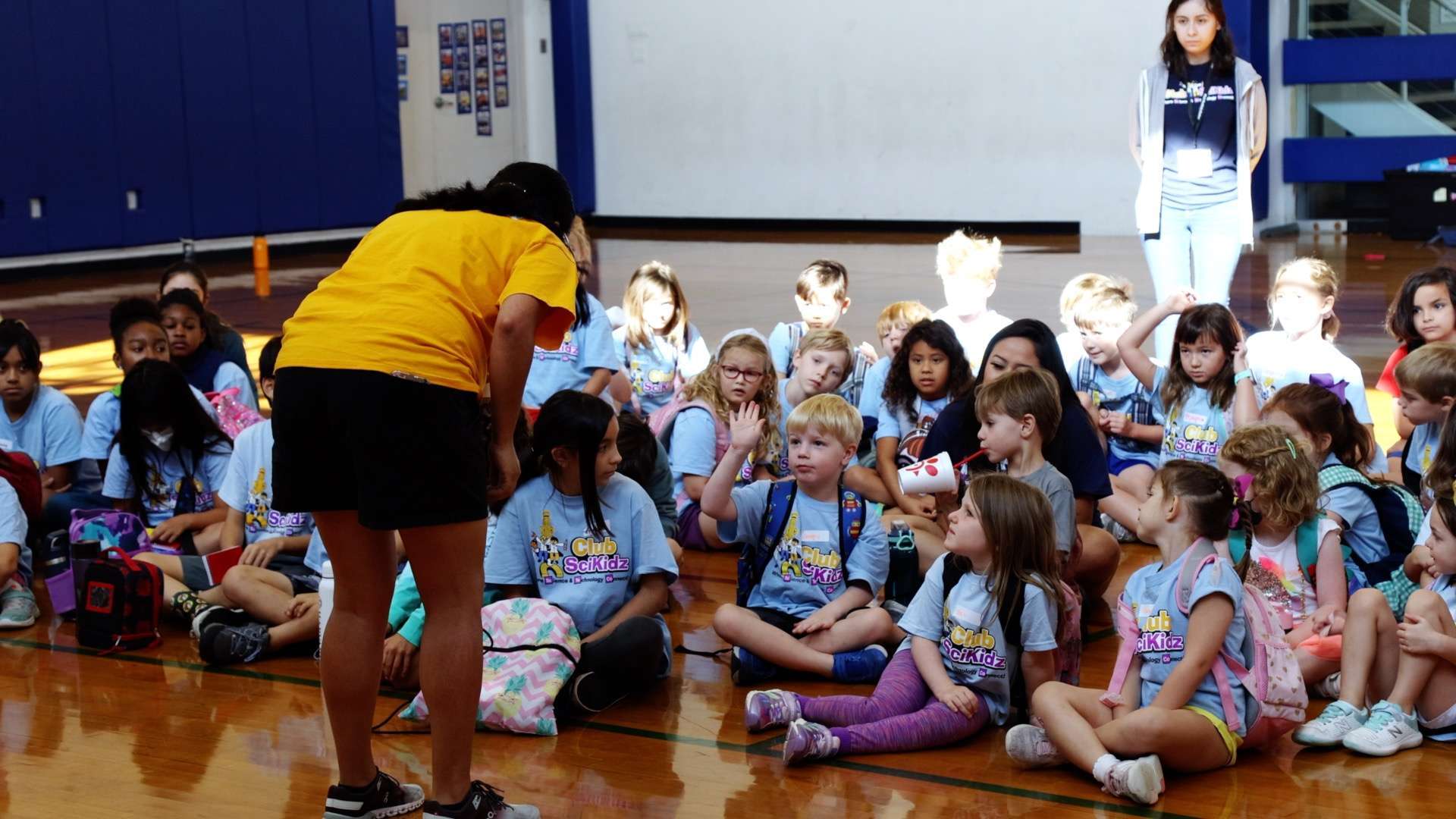
If your child wants more of this kind of hands on science, a veterinary themed STEM camp or after school program can take these skills further with microscopes, models, and real experiments. At home, you are already building the foundation.
Quick FAQ
Is it ok to use our real pet for activities? For calm, gentle pets, yes for observation only. Skip any activity that involves wrapping, poking, or restraining. If your pet seems unsure, switch to stuffed animals.
What age is best for these? Most work well for ages 6 to 10, with help for any cutting or stitching simulation.
How often should we do vet activities? Even once a week can make a difference. Kids learn best through repeated playful practice.