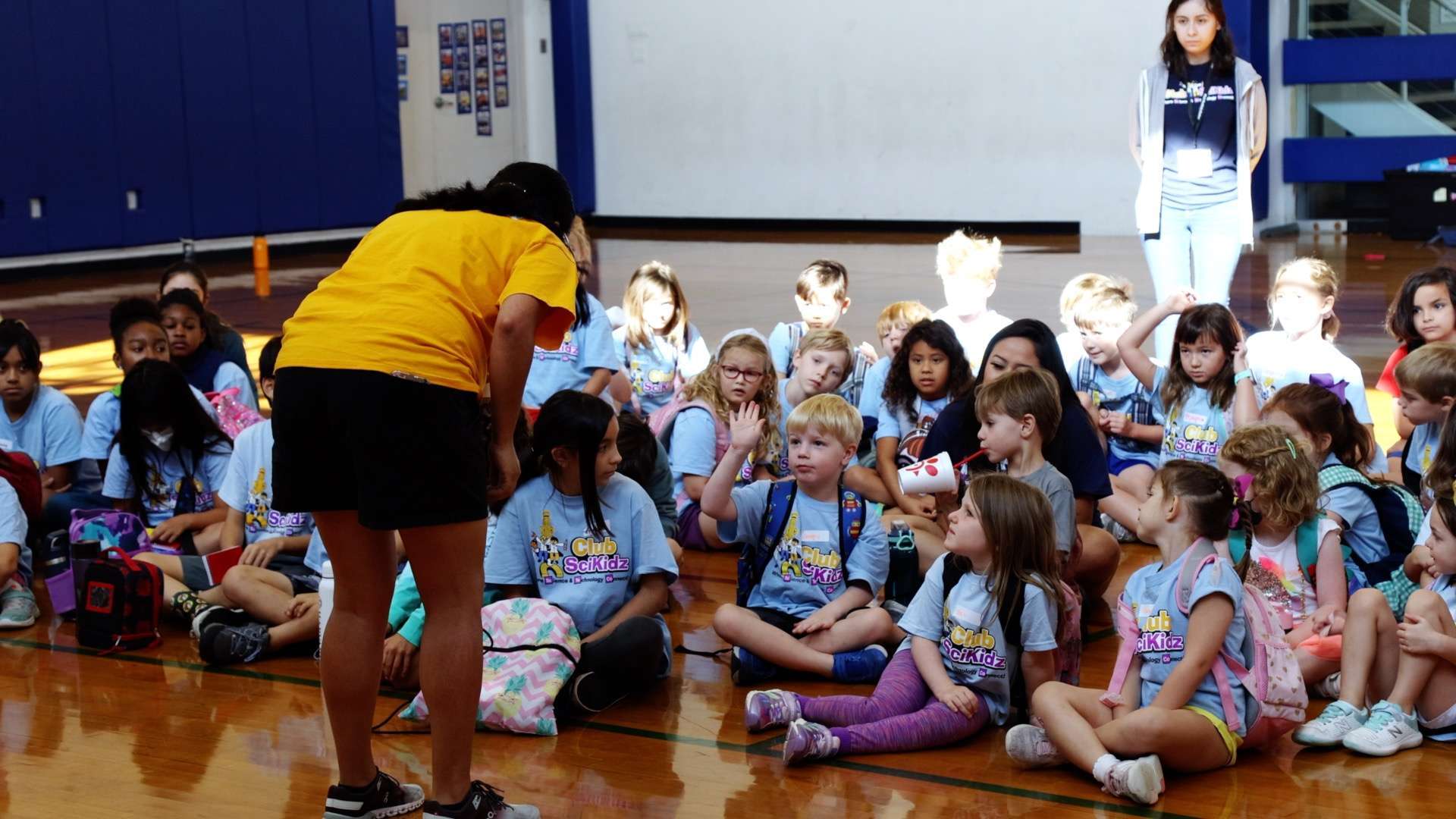
STEM isn’t just in laboratories—it’s all around us! Here are four easy-to-do experiments that reveal the science behind everyday phenomena, helping kids connect STEM concepts to the world around them.
1. The Magic of Invisible Ink.
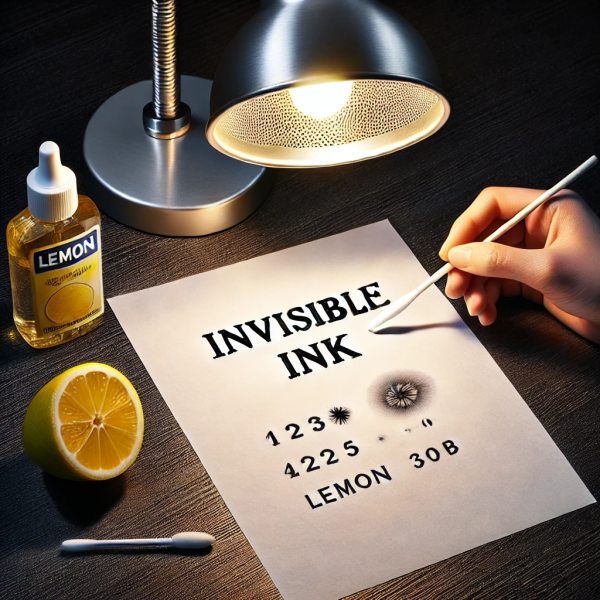
First of all, kids can learn about chemical reactions with this simple experiment!
- What you need: Lemon juice, a cotton swab, white paper, and a heat source (like a hairdryer or lamp).
- How it works: Write a secret message on paper using lemon juice and let it dry. To reveal the message, hold the paper near a heat source. The acid in the lemon juice oxidizes with heat, turning brown!
- STEM Concept: Introduces kids to oxidation and chemical changes.
2. Dancing Raisins Experiment

Meanwhile, this fun activity demonstrates buoyancy and gas formation.
- What you need: A clear glass, soda (like Sprite), and raisins.
- How it works: Drop a few raisins into the soda and watch them “dance”! The bubbles of carbon dioxide stick to the raisins, lifting them to the surface. As the bubbles pop, the raisins sink again.
- STEM Concept: Teaches about density and gas behavior.
3. DIY Static Electricity Butterfly
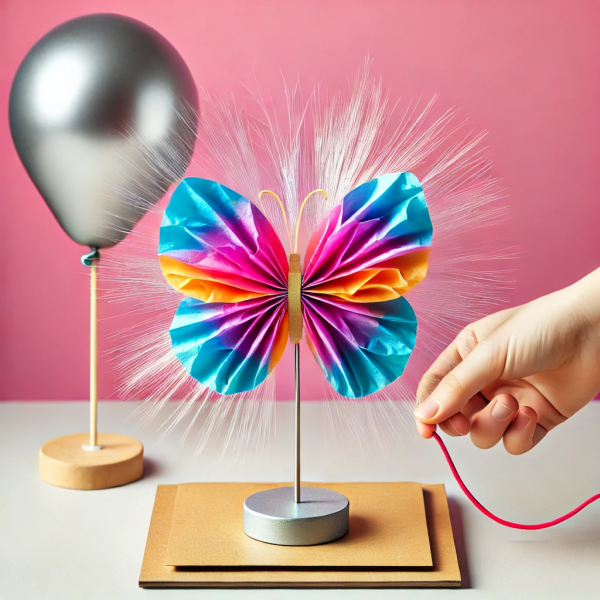
Next, explore the power of static electricity by making a paper butterfly move without touching it!
- What you need: Tissue paper, cardstock, glue, scissors, a balloon, and a wool sweater.
- How it works: Cut out a butterfly shape from tissue paper and glue it to cardstock. Inflate the balloon and rub it on a wool sweater to generate static electricity. Hold the balloon near the butterfly to make its wings “flutter.”
- STEM Concept: Demonstrates static electricity and the forces it creates.
4. The Expanding Balloon Experiment
Finally, learn about chemical reactions by inflating a balloon without blowing air into it.
- What you need: A bottle, vinegar, baking soda, and a balloon.
- How it works: Pour vinegar into the bottle and baking soda into the balloon. Carefully attach the balloon to the bottle without spilling the baking soda. Once secure, lift the balloon to drop the baking soda into the vinegar. Watch as the gas fills the balloon!
- STEM Concept: Introduces kids to gas formation and chemical reactions.
Conclusion
These experiments help kids understand the science behind everyday occurrences, making learning both fun and relatable. Try them at home or in your classroom and see how science comes alive!